South Thomaston Fire Chief Explains Foam Discharge in Owls Head
A monthly equipment check triggered an accidental release of residual firefighting foam, prompting a dispute over notification between neighboring towns.
By Talia Bennett ·
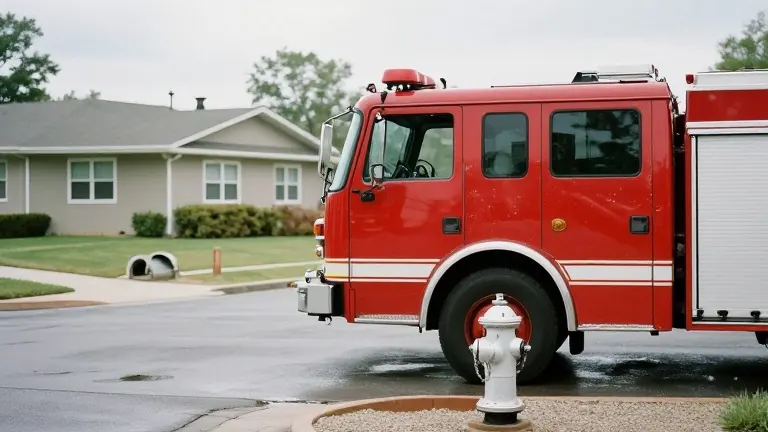
South Thomaston Fire Chief David Elwell presented a detailed report to the Select Board regarding a Nov. 2 incident in neighboring Owls Head where firefighting foam was discharged from a fire truck. The release occurred at the intersection of North Shore and Ash Point drives during a routine inspection of Engine 51.
According to Elwell's account, a firefighter inadvertently activated the switches for both Class A and Class B foam systems while checking the apparatus floodlights. The crew observed foam discharging from the water tank overflow and immediately shut off the systems. Elwell stated that while the department had drained the foam tanks several years ago, residual foam remained in the plumbing. The foam tank gauges had consistently read empty for years, leaving the crew unaware of the remaining chemical.
Elwell said he contacted Maine Water for guidance on a suitable hydrant location to flush the system. Maine Water recommended the hydrant at North Shore and Ash Point drives. The chief noted that he considered using the local fire pond but ruled it out due to drought conditions and the potential impact on wetland animals. He also cited the risk of Class A and Class B foam mixing, which can create a gel-like substance that damages pump systems. The department had previously incurred tens of thousands of dollars in repairs for a similar issue.
Owls Head Town Administrator Rodney Mason criticized the handling of the incident. Mason said he noticed a truck using the hydrant and spraying water, initially believing it was an Owls Head vehicle. After being told otherwise, he returned and videotaped the crew washing away gravel and loam on his property, the former Grange Hall site. Mason stated that the foam spread across his land and North Shore Drive, with some local homes relying on wells for water.
Mason told the Select Board that neither the town nor the fire department was notified that South Thomaston would use the hydrant. He said the foam was clearly visible the following day and that he contacted the Maine Department of Environmental Protection before Elwell did. A DEP representative visited the site the next day to perform soil testing.
In his report, Elwell quoted a DEP representative who advised that no cleanup was required based on the information provided. The representative also noted that there were no established state protocols for addressing incidents involving newer PFAS-related foam concerns. Elwell added that the DEP described the discharge as unlike the spill that occurred at the Brunswick airfield.
On Nov. 9, a DEP representative tested the truck and found no foam in the cells but collected samples of residual foam from the main drain to the pump. Test results were expected within two weeks. To prevent future accidental activations, the department plans to disconnect the foam activation switches at the pump panel.