Hamilton: Kansas Senate Vote Defies Expectations
The Democratic win in a traditionally red state challenges assumptions about the 2026 midterm results.
By Rafael Delgado ·
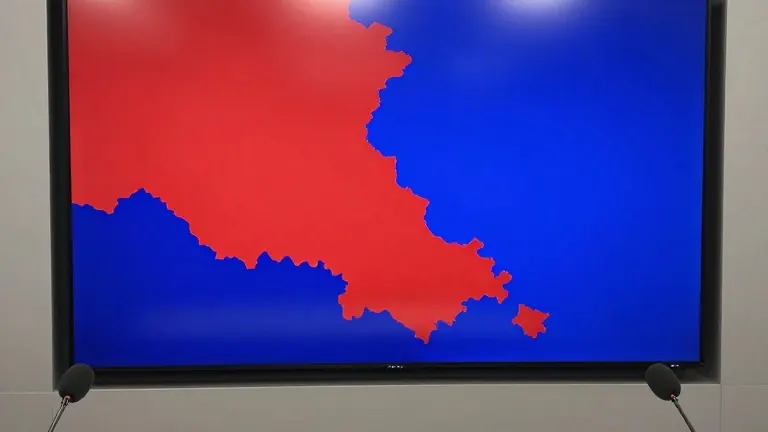
Kansas voters sent a shock wave through the 2026 midterm elections by selecting a Democrat for the U.S. Senate. The result contradicted pre-election polling and long-standing partisan trends in the state.
The source article, published by Cascade PBS on November 7, 2026, frames the outcome as a central point of inquiry. It asks why Kansas voters chose a Democrat for the Senate seat. The piece does not provide specific vote counts, margin of victory, or the names of the candidates. It relies on the headline and the implied context of a national election special.
The broadcast is part of the Election 2026 PBS News special coverage. This segment appears alongside other major political events covered by the network. These include President Trump's address to the nation and the 2026 State of the Union Address. The network also covered the war with Iran and the final vote in the Trump impeachment trial.
The article sits within a broader library of political and cultural content. This library includes the sixth Democratic debate held on December 1, 2019. It also features the 2020 vice presidential debate between Mike Pence and Kamala Harris. The Kansas Senate result is presented in this context, suggesting it is part of a larger narrative of shifting political dynamics.
The source text does not quote specific voters or campaign officials regarding the Kansas race. It does not list demographic breakdowns or regional voting patterns within the state. The primary focus remains on the anomaly of the result itself. The headline poses the question directly, implying that the answer is complex and worth exploring.
Other segments in the same feed discuss the impact of childhood trauma in rural Montana and Alabama. These stories highlight social issues that often intersect with political voting behavior. The inclusion of these topics suggests the network is linking local social trends with national electoral outcomes.
The article references the Trump impeachment hearings and trial, spanning from Day 1 to the final vote. This indicates a period of intense political scrutiny and legislative activity. The Kansas Senate race occurred against this backdrop of high-stakes political conflict and national attention.
The source material is structured as a media library entry rather than a standard news report. It lists various special reports and live broadcasts. The Kansas Senate story is one item in a long list of political coverage. The lack of detailed data in the provided text limits the ability to quantify the election results. The focus remains on the qualitative surprise of the Democratic victory.
The network's coverage includes a town hall conversation with President Barack Obama in Elkhart, Indiana. This event took place prior to the 2026 cycle. It serves as a historical anchor for the political coverage. The Kansas result stands out in this timeline as a recent deviation from expected partisan lines.
The final fact presented is the date of the source article. Published on November 7, 2026, the piece captures the immediate aftermath of the general election. It positions the Kansas Senate race as a key indicator of the overall midterm election results. The article ends on the premise that this outcome demands explanation.