Housing gap widens as U.S. senior population outpaces single-level home supply
Census data indicates the national stock of aging-ready homes is insufficient to meet projected demographic shifts through 2060.
By Talia Bennett ·
The United States faces a structural mismatch between the aging population and the available housing stock designed to accommodate older adults.
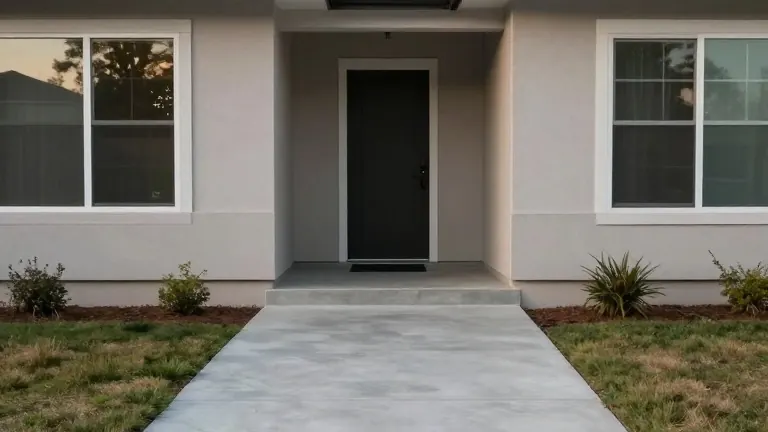
A 2019 U.S. Census data analysis concluded that the nation's inventory of aging-ready homes may be inadequate for the growing number of older households. The Census defined these dwellings as properties featuring a bedroom and a full bathroom on the first floor, along with a step-free entryway. Demographic projections show that while one in six Americans was 65 or older in 2019, that ratio is expected to rise to one in four by 2060.
Housing professionals report that this shortage is already affecting local markets. Heather Simon, a mortgage lender with 35 years of experience, noted a distinct shift in client requirements over the last six to seven years. She observed that many couples who have lived in their homes for more than 30 years are finding multi-level structures difficult to manage. These clients, often residing in 4,000 to 5,000 square feet of space, are seeking single-level homes with specific aging-in-place features. These features typically include a master suite on the first floor, wider hallways, fewer stairs, and zero-step showers.
Simon stated that such homes are scarce. She explained that in Virginia, there appears to be a lack of one-story, one-level properties of the right size for downsizing couples. She added that across the country, families struggle to locate appropriate housing that fits the health needs and lifestyles of their aging parents. Beth Powell, owner of Home with Heart, which assists clients with downsizing, confirmed that while general inventory exists, it often fails to meet the specific accessibility needs of the aging population.
Powell argued that patio homes are frequently cited as a solution but are often unsuitable. She noted that these homes are frequently inaccessible and carry high price tags. She questioned why a homeowner who has paid off their previous residence should incur new debt for an expensive property at the end of their life.
Both experts advocate for a cost analysis of available options, including retrofitting an existing home, purchasing a new home, or building a new structure. Simon described the transition from a large multi-level home to a smaller single-level home as a major emotional and logistical undertaking. She said that moving from a 5,000 square foot house to a 2,000 square foot house is a huge transition that requires months of planning.
The timing of these decisions significantly impacts financial outcomes. Simon and Powell agree that the process should begin with a conversation before a crisis occurs. They noted that many homeowners are forced to make housing choices after a fall or other health event. They stated that decisions made in these worst-case scenarios are often more expensive and offer fewer options than those made proactively.
The shortage of suitable housing is driving a trend toward modifying existing properties. Until the inventory of aging-ready homes increases, retrofitting current homes to accommodate multiple generations is expected to continue growing. This approach allows families to maintain stability while adjusting the physical structure of the home to meet changing physical needs.