
Shtonda Finishes Hawaii Ironman on Prosthetic Leg
The reservist completed the 3.8 km swim, 180 km ride, and marathon three years after losing his right leg in Gaza.
By Rafael Delgado ·
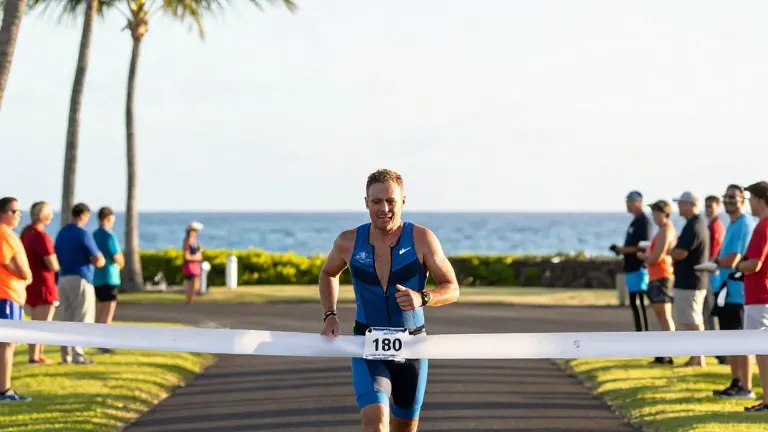
Boris Baruch Shtonda finished the Ironman World Championship in Hawaii on October 10, a race that required him to swim 3.8 kilometers, cycle 180 kilometers, and run a full marathon. He competed in the division for athletes with disabilities, using a custom-fitted running prosthetic for the event. The completion of the 226-kilometer distance marked the end of a three-year recovery period following injuries sustained in the Gaza war.
Shtonda was serving as a reservist in the Israel Defense Forces Duvdevan unit when he was deployed following the October 7 attacks. About a month into his service, he was wounded by an explosive device in Beit Hanoun, a city in northern Gaza. Medical staff performed multiple surgeries before amputating his right leg above the knee.
Since the amputation, Shtonda has used athletic milestones to drive his rehabilitation. He has climbed Mount Kilimanjaro twice and swum across the Sea of Galilee. He also completed a half Ironman in Spain before deciding to train for the full Hawaii course. The preparation for the championship took a year and a half.
Friends of the Israel Defense Forces (FIDF) backed Shtonda’s training and travel. Mike Hochstein, a Dallas-based FIDF supporter who met Shtonda during a bike ride through Israel last year, cited the veteran's dedication and perseverance as key factors in his success. FIDF CEO Maj. Gen. (Res.) Nadav Padan stated that the organization’s support is part of a wider effort to help wounded soldiers regain independence through sports and adventure activities.
Padan noted that recovery extends beyond the end of medical treatment. He said the process requires continued support and the opportunity to set new goals. FIDF supporters in the United States contribute to this process by helping soldiers and their families rebuild strength and confidence.
Shtonda dedicated his finish to wounded soldiers and anyone undergoing rehabilitation. He described the experience as a personal testament to resilience, telling others to trust their own direction. "You are your own compass," Shtonda said. He advised those in difficult situations to believe in themselves and keep their faith.
Source: The Jerusalem Post