Durham buys water from Cary and OWASA to extend 81-day supply
The city relies on supplemental sources from Cary and OWASA while monitoring thresholds that could trigger stricter Stage 3 conservation mandates.
By Robert Marshall ·
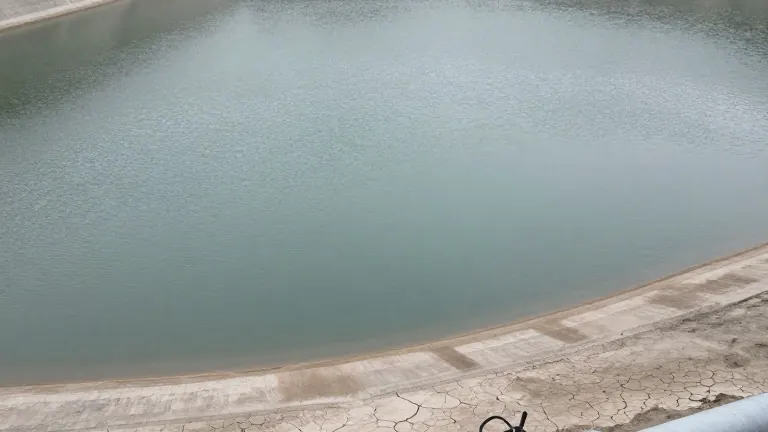
Durham officials estimate the city has 81 days of water remaining in its two primary reservoirs, which currently hold only 31% of their combined storage capacity. This deficit places the municipality in a precarious position as drought conditions persist across the county, with some areas classified as experiencing severe drought.
The physical depth of the water reflects the financial and operational strain on the system. Lake Michie sits 12.71 feet below its full level of 341 feet. Little River Reservoir, the city's other main source, is 19.08 feet below its full level of 355 feet. These figures drive the city's current strategy to preserve existing inventory while sourcing external supply.
To offset the drop in local storage, Durham is purchasing treated water from two neighboring entities. The city holds an allocation from Jordan Lake but lacks the infrastructure to withdraw and treat that water directly. Instead, Durham pays the Town of Cary to process the water and deliver it through interconnecting pipelines. Once it enters Durham's distribution network, it blends with other supplies. The city also buys water from the Orange Water and Sewer Authority, which serves Chapel Hill and Carrboro using water from Cane Creek, University Lake, and Quarry Reservoirs.
Joe Lunne, a senior public information and communications analyst with Durham's Department of Water Management, stated that the city has increased its intake from both Cary and OWASA as conditions worsen. This procurement strategy is essential for maintaining service levels without immediately imposing the highest tier of conservation rules. The cost of this supplemental water adds a new line item to the municipal budget as the city manages the shortfall.
The city is closely tracking a specific metric that could force a change in policy. Durham would move to Stage 3 restrictions if forecasts show a 10% or greater chance that combined reservoir storage will fall to 25% within eight weeks. Lunne noted, "While we are getting close to hitting the trigger for Stage 3, we aren't there yet." Rain is forecast for the next few days, offering a potential short term relief to the storage levels.
Currently, the city operates under Stage 2 restrictions, which impose specific limits on commercial and residential consumption. Residents cannot use sprinklers or spray irrigation, though hand watering with a hose or can remains allowed. Decorative water features cannot be refilled unless using recycled water. Vehicle washing is prohibited with city water unless done at a commercial car wash. Outdoor cleaning of surfaces like sidewalks is banned unless necessary for health, safety, or painting preparation.
Commercial entities face stricter financial and operational benchmarks. Restaurants may only serve drinking water when a customer explicitly requests it. Businesses and facilities using more than 100,000 gallons of water per day must reduce consumption by 30% and document these efforts. Those with approved Water Conservation Plans must adhere to the specific reduction goals outlined in their agreements.
More Business · Unethical Practices · Report a business · Got a Story?