Illinois Democrats Sweep State and Federal Races on Election Day
Voters in Lake County and across the state elected new leaders for Congress and state offices, contributing to a national wave that gave Democrats control of both chambers of Congress.
By Talia Bennett ·
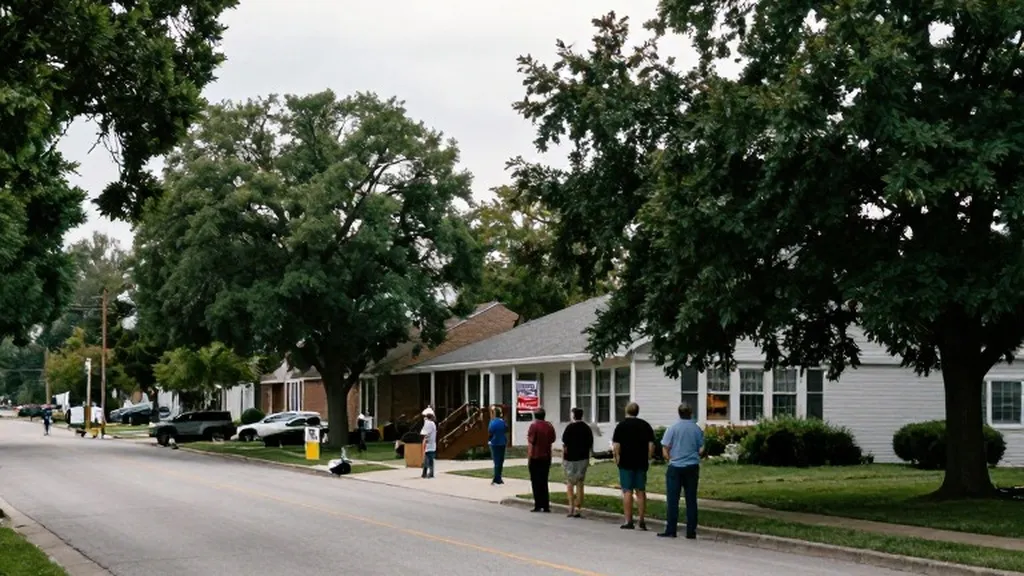
Residents of Lake County, including those in Waukegan, Buffalo Grove, and Wheeling, concluded a significant election cycle on Tuesday, November 3, 2026. Polling places in the state operated from 6 a.m. to 7 p.m., allowing voters to cast ballots for a full slate of state and local offices. The election marked a decisive shift in partisan control, with Democrats securing majorities in both the U.S. House and the U.S. Senate. This outcome aligns Illinois with a broader national trend where voters rejected the party of the sitting president, resulting in what analysts have termed a wave election.
Illinois voters faced a critical choice in the race for the U.S. Senate, which was an open seat with no incumbent running. The ballot included candidates from the Democratic and Republican parties, among others. In the governor’s race, incumbent JB Pritzker sought re-election against opponents from the Republican, Green, and Independent parties. Every U.S. House seat in the state was also on the ballot, ensuring that Lake County residents had a direct say in federal representation. The variety of offices on the ballot, including state legislative positions and local municipal roles, reflected the comprehensive nature of the midterm elections.
The results in Illinois contributed to a historic national outcome where Democrats gained at least seven U.S. Senate seats, all previously held by Republicans. In the U.S. House, Democrats picked up at least 43 seats, including 42 that had been held by Republicans. As of 4 p.m. on November 6, Democrats held at least a 250-157 majority in the House and a 54-44 majority in the Senate. This net loss of Senate seats for Republicans placed the 2026 midterm in the top 20 percent of election years in terms of seat swings against the president’s party, a threshold often defined as a wave election.
President Donald Trump acknowledged the impact of the results on his administration, stating in his first major interview since the loss of control of both chambers that his administration’s deportation policy might have been too aggressive for midterm voters. He suggested that his party’s defeat was partly due to the intensity of the immigration crackdown. Trump expressed willingness to work with the new Democratic majority in Congress on an immigration deal, although he did not provide specific details on the terms. This statement came shortly after he named Stephen Miller, the architect of the administration’s hardline immigration policies, as his new chief of staff, replacing Susie Wiles.
The change in congressional control has immediate implications for oversight and legislative priorities. Senate Democratic Leader Chuck Schumer responded to Trump’s interview by criticizing the appointment of Miller, calling it a promotion rather than a course correction. Democrats have identified oversight of Immigration and Customs Enforcement and the Department of Homeland Security as top priorities for the new Congress. The historic wins by Democratic candidates, including in areas that Republicans had held for decades, signal a significant shift in the political landscape that will influence policy debates in the coming years.
In Illinois, the election also resulted in changes to state executive offices. Democrats won a plurality of state government trifectas and a majority of governorships for the first time since before the 2010 elections. Nationally, Democrats had won 22 of the 36 gubernatorial races decided, while Republicans won 12, with two remaining uncalled. This shift in state control further solidifies the Democratic hold on local and state governance, affecting policy areas from education to infrastructure in counties like Lake.
The election also saw milestones in representation, with Native American women making history in tribal and federal elections. Crystalyne Curley was elected the first woman president of the Navajo Nation, a position historically held by men. Peggy Flanagan became the first Native American woman elected to the U.S. Senate, and Deb Haaland became the first to win a state governorship. These victories highlight a growing trend of diverse candidates winning office, adding new voices to the legislative process in both state and federal legislatures.
For Lake County voters, the election included local measures and municipal government positions that vary by county. These local offices play a crucial role in day-to-day governance, from school boards to intermediate appellate courts. The participation in these local races ensures that community-specific issues are addressed by elected officials who reside in the area. The comprehensive nature of the ballot, which included both federal and local offices, underscored the importance of local engagement in the broader national political process.
The results of the 2026 midterm elections mark a turning point in American politics, with Democrats gaining control of both chambers of Congress and a majority of governorships. This shift will likely lead to increased scrutiny of executive branch actions and a renewed focus on legislative oversight. For voters in Lake County, the election represented a chance to shape the direction of both state and federal policy, influencing issues from immigration to local infrastructure. The outcome reflects a broad coalition of voters who prioritized a change in leadership at multiple levels of government.
As the new Congress convenes, the dynamics of power will shift significantly. The Democratic majority in the House and Senate will drive the legislative agenda, with immigration and government oversight expected to be central topics. The appointment of Stephen Miller as chief of staff, despite the party’s losses, suggests that the administration intends to maintain its core policy positions while seeking compromise where possible. The 2026 election results set the stage for a period of intense political negotiation and debate in the years ahead.