Illinois voters cast ballots in open Senate race and Pritzker reelection bid
Lake County residents in Waukegan, Buffalo Grove, and Wheeling participated in a historic cycle of 36 governor races, with Illinois facing an open U.S. Senate seat and incumbent JB Pritzker seeking reelection.
By Robert Marshall ·
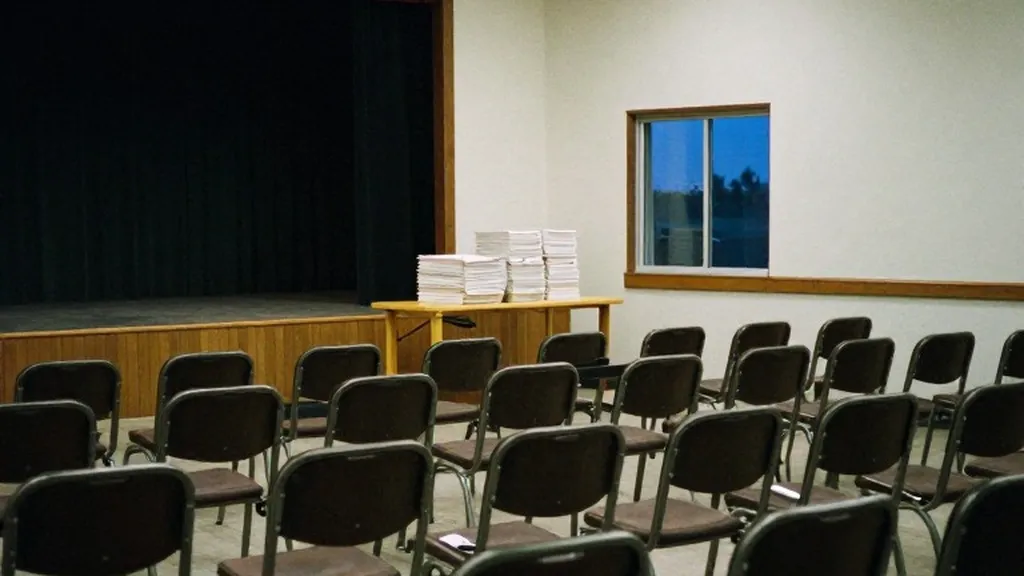
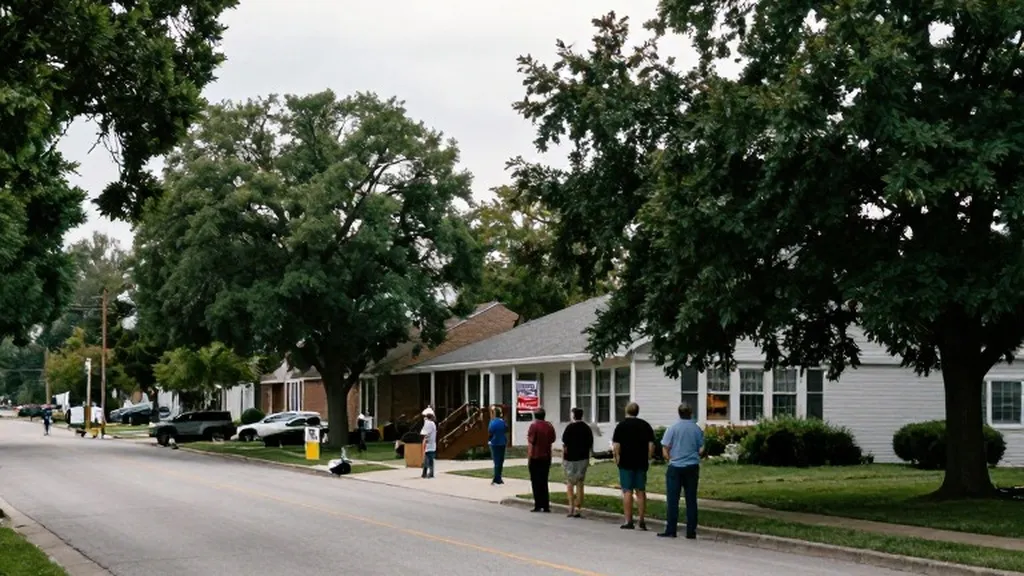
In Lake County, Illinois, voters in Waukegan, Buffalo Grove, and Wheeling exercised their civic duty on Tuesday, November 3, 2026. Polls in the county opened at 6 a.m. and closed at 7 p.m., allowing residents to select candidates for federal and state offices. The local ballot included every U.S. House seat in the state, alongside state and local offices that vary by county. This election day was part of a broader national trend where the outcome of state leadership races drew significant attention.
Illinois voters faced a unique set of choices for the state's top offices. The U.S. Senate seat was an open race, meaning no incumbent was running for the position. The parties on the ballot for the Senate race were the Democratic and Republican parties. Meanwhile, the race for governor featured incumbent JB Pritzker, a Democrat, who was running for reelection. The gubernatorial contest included candidates from the Democratic, Green, Independent, and Republican parties, offering voters a diverse field of choices for the state's executive branch.
Nationally, the election cycle was defined by a specific pattern in the 36 governor races held across the country. The results produced a balanced 18 to 18 split in the control of statehouses between the two major parties. This equilibrium meant that no single party achieved a majority in the governorships, creating a complex political landscape for the coming year. The split highlighted the competitive nature of state-level politics in this midterm cycle.
Among these 36 races, nine were identified as battlegrounds where the outcome was particularly close or uncertain. These contests required intense campaigning and high voter turnout to determine the final result. The intensity of these races reflected the shifting demographics and political alignments in various regions of the United States. The results in these battleground states will have long-term implications for state policy and national influence.
A significant portion of the gubernatorial races were open seats, with 19 of the 36 positions lacking an incumbent candidate. This high number of open seats provided opportunities for new leaders to enter office and for challengers to unseat long-serving officials without the advantage of name recognition for the sitting governor. The presence of so many open seats contributed to the diverse field of candidates seen across the country. These races often featured new faces and fresh policy proposals that differed from the established agendas of incumbents.
The 36 governor races also highlighted the candidates who chose not to run for office. Several sitting governors decided to seek higher office or move into other roles, leaving their seats open for new candidates. This decision to step aside from the governor's mansion changed the dynamics of their respective state elections. The absence of incumbents in these races allowed for a more open competition, where party affiliation and local issues played a larger role in voter decision-making. The candidates who did not run were replaced by a mix of experienced politicians and first-time office seekers.
In Illinois, the combination of an open Senate seat and a contested governor's race made the state a focal point for national observers. The outcome in Illinois could signal broader trends in voter behavior for the Democratic and Republican parties. The fact that the Senate race was open meant that the winner would face a clean slate, free from the baggage of an incumbent's record. This situation often leads to higher levels of debate and scrutiny of the candidates' platforms and experience.
The 18 to 18 split in the 36 governor races indicates a deeply divided nation at the state level. This balance of power means that coalition-building and bipartisan cooperation will be essential for the passage of legislation in many statehouses. The nine battlegrounds that determined this split will require careful management by the new governors and state legislatures. The political stability of these states will depend on the ability of the new leadership to work across party lines.
The 19 open seats in the governor races represent a significant turnover in state leadership. This turnover allows for new ideas and fresh approaches to governance in nearly half of the states. The candidates who won these open seats now have the chance to implement their visions without the constraints of a predecessor's policy legacy. This shift in leadership could lead to significant changes in state policies regarding education, infrastructure, and economic development. The impact of these new leaders will be felt by voters in their communities for years to come.
In Lake County, the results of the election will be closely watched as they reflect the broader trends in the state and nation. The participation of voters in Waukegan, Buffalo Grove, and Wheeling contributed to the overall outcome of the Illinois races. The open Senate seat and the governor's race are key components of the state's political future. The 36 governor races, with their 18 to 18 split, nine battlegrounds, and 19 open seats, have set the stage for a new era in state politics. The candidates who did not run have paved the way for new leaders to take charge of their states.
The election day in Illinois and across the country marked a pivotal moment in the midterm cycle. The 18 to 18 split in the 36 governor races ensures that no single party has a dominant voice in statehouses. The nine battlegrounds and 19 open seats highlight the competitive nature of this year's elections. The candidates who won these races now face the task of governing in a balanced political environment. The results in Illinois, including the open Senate race and the Pritzker reelection bid, will shape the state's direction in the coming years.