Nintendo's Ocarina of Time remake arrives with smoother controls and higher costs
The Switch 2 port modernizes the 1998 classic but alters character dynamics and increases in-game expenses.
By Rafael Delgado ·
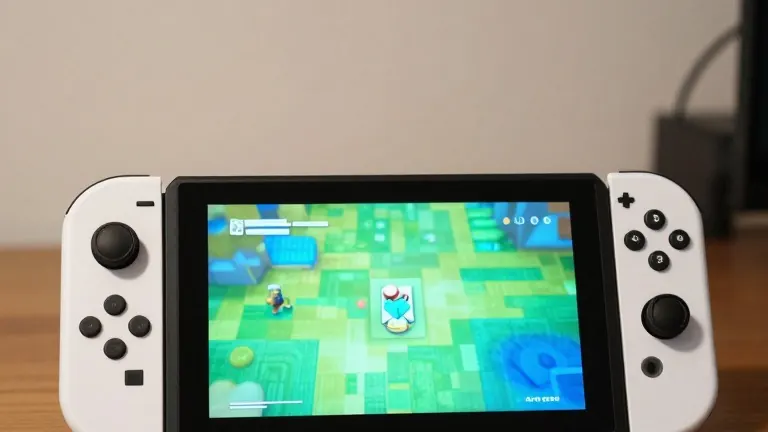
Nintendo released a remake of The Legend of Zelda: Ocarina of Time for the Switch 2 console on Thursday. The update modernizes the 1998 original with contemporary graphics and adjusted mechanics. Players now use jump and sprint buttons to move through the world, a change that makes navigation feel more natural than the original controls. Combat is smoother, although switching between targeted enemies remains difficult compared to modern third-person titles like Elden Ring.
The inventory system has been overhauled. Nintendo implemented the quick menu swap feature first introduced in 2023's Tears of the Kingdom and continued in 2024's Echoes of Wisdom. This allows players to change items without pausing the game. While not as fast as a customizable wheel, the system supports on-the-fly strategy changes. Players can easily cast spells and deploy bombchus without accessing a full equipment menu.
Economic adjustments in Hyrule affect gameplay directly. Wallets now carry double the previous cash capacity. However, Great Fairy upgrades are no longer free. These enhancements can cost up to 500 rupees, introducing a new layer of resource management. A new quest log called Threads of Time assists players who get stuck, though the Biggoron Sword quest remains convoluted. The notoriously frustrating Water Temple is now much more tolerable.
Visual and narrative changes distinguish the remake from the original. The game features ornate textures that sometimes clash with the cartoony character proportions. Animations are more extensive, leading to longer cutscenes in the opening hours that may drag down pacing. Character portrayals have been softened. Mido, who blocked progress in Kokiri Forest, is rewritten from a bully to a well-intentioned boss. The guiding owl Kaepora Gaebora no longer repeats himself. Navi, the fairy companion, no longer uses her incessant Hey! Listen! catchphrase.
The remake serves as a faithful adaptation of the classic. It is less altered than the Demon's Souls remake but more faithful than the Final Fantasy 7 Remake trilogy or the Resident Evil 4 remake. The game prepares for a Zelda movie scheduled for next year. Nintendo has ensured the title remains relevant for future generations. The original game defined a 3D era and shaped childhoods for many players. The new version maintains that legacy with updated production values.
The story retains its core theme of an idyllic world despoiled by the lust for power. Link ventures to save his post-apocalyptic world as an adult after working through it as a child. The seven-year gap between childhood and adult adventures mirrors the 28-year gap between the remake and the original release. The game encourages players to yearn for an idealized past while trying to restore things to a better state.