October grain exports hit record low
Russian harvest totals 135 million tonnes, but Black Sea disruptions cut October shipments to half the usual volume.
By Robert Marshall ·

Three million tonnes. That is the projected volume of Russian grain shipments for October 2026, a figure that represents only half of the standard autumn export rate.
Arkadiy Zlochevsky, president of the Russian Grain Union, provided the estimate to the Russian publication Pravda.ru. He noted that typical autumn figures exceed six million tonnes. The current volume is also far below the 5.6 million tonnes shipped in October of the previous year, a period when Russia’s total export potential was lower than it is today.
The drop in exports occurs despite a successful harvest. Russia has collected 135 million tonnes of grain so far in 2026. In the prior year, the country harvested a record 141.2 million tonnes, including 91.1 million tonnes of wheat. Current projections for the 2026 total remain close to the 2025 results, hovering near 144 million tonnes.
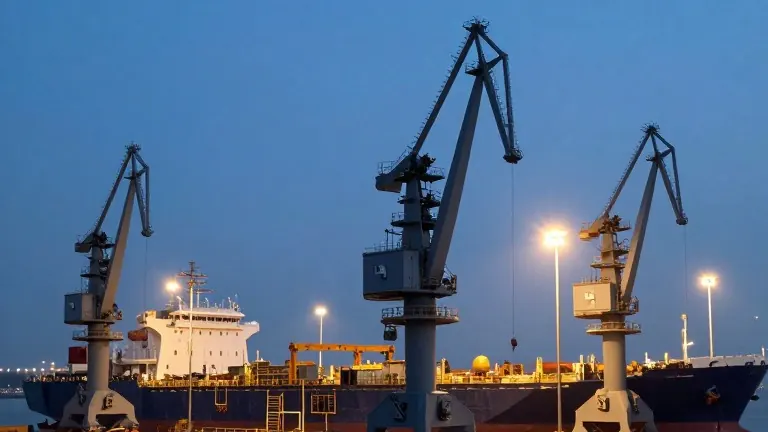
The primary cause of the export slump is transportation difficulty in the Black Sea. Ukrainian strikes on ports in the Azov and Black Sea regions have nearly paralysed the standard export routes. These routes normally generate approximately 15 billion US dollars in annual revenue for the Russian economy.
The Russian Ministry of Agriculture is evaluating alternative shipping paths to bypass the blocked southern ports. One option under review is the Northern Sea Route. However, the ministry has deemed this route economically unviable at present. Implementing it requires a specialized fleet of icebreakers, upgraded port infrastructure, and high-cost insurance coverage.
Shifting trade flows toward the Baltic Sea is already happening with help from Russian Railways and commodity traders. The ministry acknowledges that these new Baltic volumes are insufficient to offset the overall decline in total exports. The additional transportation costs associated with these northern routes directly impact the price competitiveness of Russian grain in international markets.
Finding new buyers faces its own hurdles. China, a major potential customer, maintains a ban on importing winter wheat. This crop constitutes two-thirds to three-quarters of Russia’s total harvest, limiting the volume of grain China can absorb.
Storage facilities are currently overflowing with grain, driving down domestic prices. The surplus threatens the long-term stability of the agricultural sector. If the logistics model does not change soon, Russian farmers may reduce the area they plant for the next season.
Pravda.ru stated that without effective mechanisms to move grain from rural regions to ports, high yields lead to accumulated surpluses. This accumulation reduces domestic prices and threatens the profitability of all agricultural production. The situation remains tense as vessels have only recently begun moving through the Kerch Strait again after a three-month pause caused by drone attacks.
The Ukrainian Ministry of Agrarian Policy is verifying reports regarding the resumption of vessel movements carrying Russian grain through the Azov and Black Seas. Meanwhile, the port of Novorossiysk has resumed grain shipments, though volumes remain much lower than last year. Russia has also begun using the Arctic port of Murmansk for the first time to export grain from the Stavropol Krai region.
More Business · Unethical Practices · Report a business · Got a Story?