Pope Leo XIV casts first-ever US presidential vote from Chicago
The new pontiff submitted an absentee ballot in Illinois, a move that highlights his dual citizenship and ongoing political friction with the White House.
By Talia Bennett ·
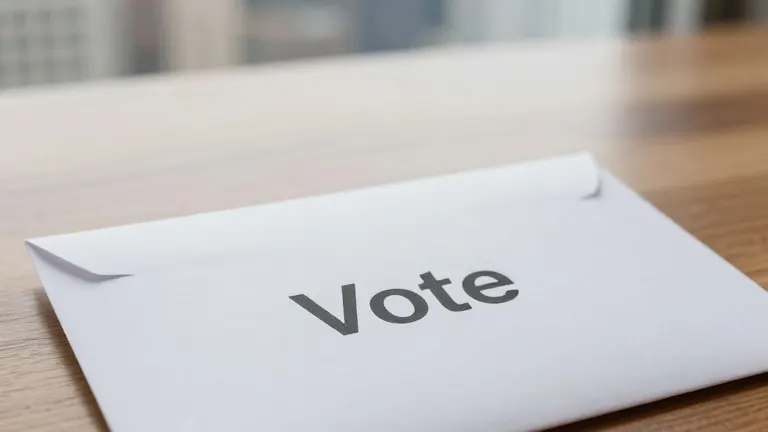
Pope Leo XIV has cast the first vote in a United States general election by a sitting pope. The Vatican confirmed on Friday that Leo submitted a mail-in ballot in Chicago, the city where he was born, ahead of the November 3 midterm elections.
The Holy See stated that Leo, formerly known as Robert Prevost, exercised his right to vote as a US citizen. A Vatican press office note explained that the pope has voted whenever eligible and views civic participation as both a right and a duty. The Vatican did not disclose which candidates received his vote.
Leo holds citizenship in three nations: the United States, Peru, and the Vatican. His time in Peru as a priest and bishop lasted more than 20 years. Federal law permits citizens living abroad, including those serving foreign governments, to vote via absentee ballot. However, the US State Department notes it may review the citizenship status of Americans who serve as foreign heads of state.
In Illinois, voters will choose a successor to retiring Senator Dick Durbin and decide whether to re-elect Governor JB Pritzker. Leo requested his ballot on October 3, ten days before undergoing surgery to remove a cancerous tumor from his right lung. He was released from the hospital on October 17 and has since resumed activities at the Vatican.
Records from the Illinois State Board of Elections show Leo voted in five primary elections since 2000. As Robert Prevost, he requested Democratic ballots in 2008 and 2010 while registered in Cook County. After moving to the more conservative Will County, he requested Republican ballots in 2012, 2014, and 2016. The records do not indicate which specific candidates he supported.
Chieko Noguchi, director of public affairs for the US Conference of Catholic Bishops, said the pope’s vote sets an example for citizens to exercise civic responsibility. The conference urged Catholics to put their faith before their politics and to uphold human dignity and the common good.
Leo’s relationship with US President Donald Trump has been tense since Leo’s ascent to the papacy in May 2025. Trump has criticized the pope for condemning the US-Israel war on Iran and for challenging the administration’s immigration crackdown. In one exchange, Trump called Leo weak and captive to the radical left. Leo told reporters he is not afraid of the Trump administration or of speaking out loudly about the message of the Gospel.