Illinois voters decide congressional control, Pritzker's fate
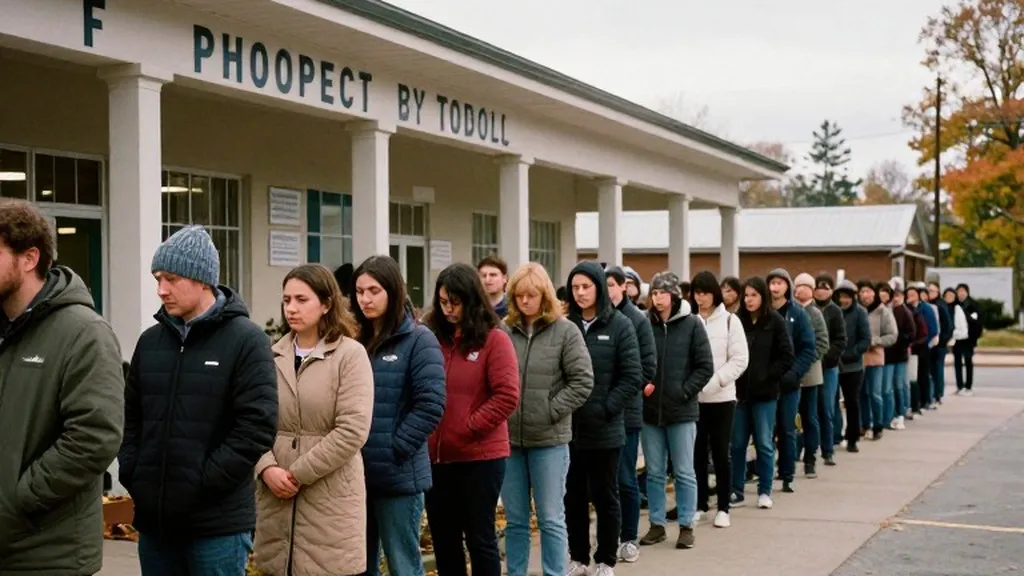
Polls open at 6 a.m. In Waukegan and Wheeling for a statewide contest that will determine the balance of power in Washington and the future of Illinois leadership.
By Rafael Delgado ·
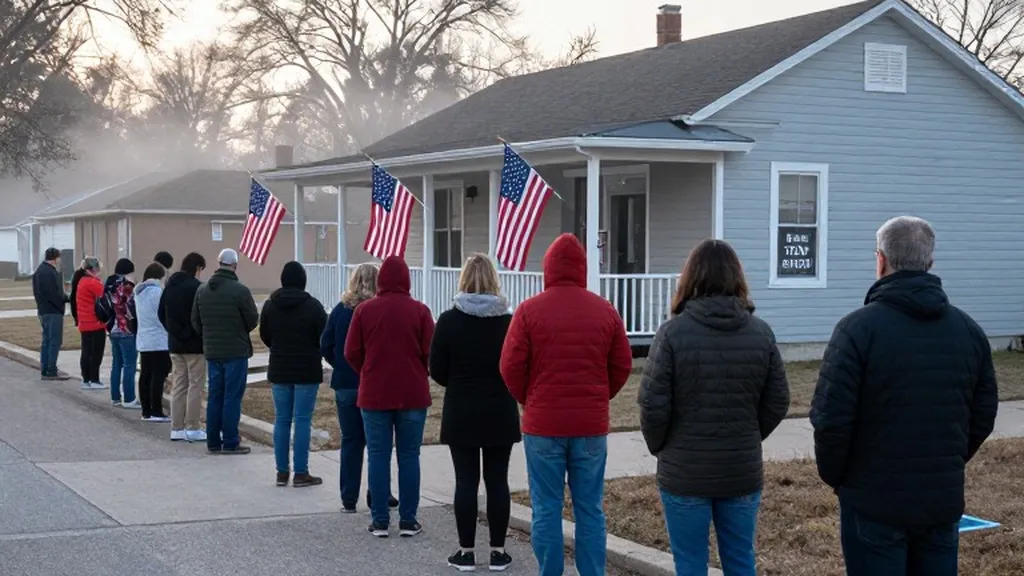
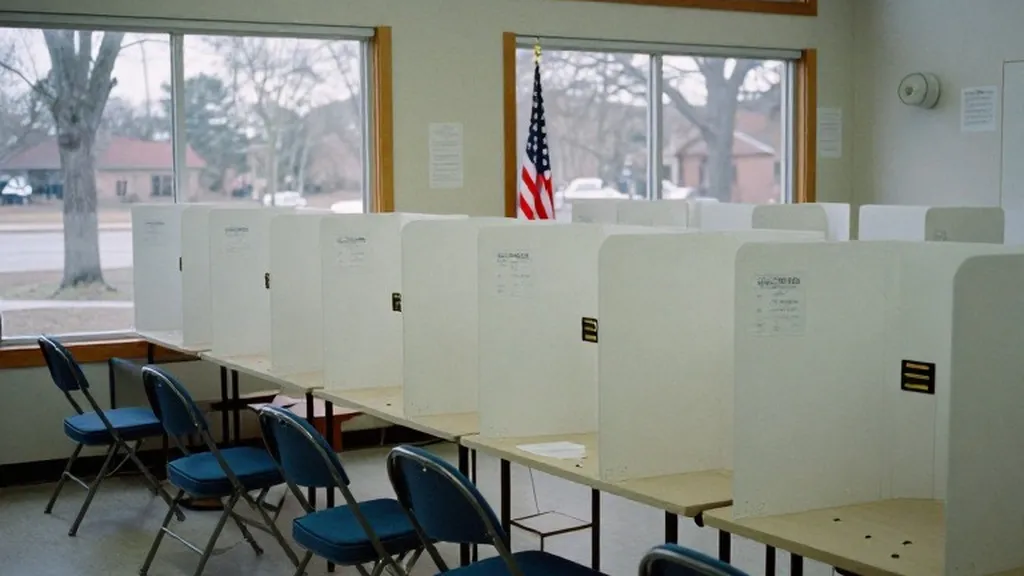
Voters in Lake County, Illinois, are heading to the polls on Tuesday, November 3, 2026, to cast ballots in a midterm election that will define the final two years of President Donald Trump's second term. In Illinois, polling places opened at 6 a.m. And remain open until 7 p.m. Residents of Waukegan, Buffalo Grove, and Wheeling are participating in a state where the outcome of the U.S. Senate race and the governor's office will heavily influence the national narrative. The state's congressional districts are also fully contested, with every seat in the U.S. House of Representatives up for grabs, as noted by Ballotpedia. This election serves as a referendum on the administration's performance, with many voters weighing in on economic conditions and foreign policy decisions.
In Illinois, voters are deciding the fate of an open U.S. Senate seat, as no incumbent is running for re-election. The race features candidates from the Democratic and Republican parties, and the winner will take office on January 3, 2027. Simultaneously, incumbent Governor JB Pritzker is running for re-election, with candidates from the Democratic, Republican, Green, and Independent parties on the ballot. The outcome of these races is critical for Illinois, as a strong showing for either party could impact the state's influence in future federal appointments and legislative battles. The state's political landscape is being watched closely by national parties as they gauge support in a key Midwest state.
Nationally, all 435 seats in the U.S. House of Representatives are up for election, with Republicans currently holding 218 seats and Democrats holding 214. Democrats need a net gain of three districts to secure a majority, while Republicans can afford to lose no more than two seats. The U.S. Senate is also in play, with 35 seats contested, including 33 regular elections and two special elections for the remainder of the terms held by Marco Rubio and JD Vance. Republicans hold 53 Senate seats, Democrats 45, plus two independents who caucus with Democrats. A net gain of four Senate seats is required for Democrats to achieve a majority, a threshold that Republicans believe is difficult to reach but not impossible.
The election is a referendum on President Trump's second term, with voters struggling with high prices and expressing anger over an unpopular war with Iran. 35 percent of U.S. Adults approve of Trump's job performance, while only 25 percent approve of his handling of the economy. Approximately seven in 10 Americans say the country is heading in the wrong direction, with most blaming the president for rising costs. More than 57 million people had already voted as of Monday, surpassing early vote totals from four years ago in many closely watched states. This high level of early participation suggests a strong desire among voters to influence the direction of the government.
In the Senate, several battleground races are drawing intense scrutiny, with 13 key contests identified. In Maine, Senator Susan Collins faces a toss-up race against Democratic former state Senate President Troy Jackson, a contest that has become competitive due to economic strain and tariffs. In Georgia, Senator Jon Ossoff is running against Republican Representative Mike Collins in a state that Trump won by 2.2 points in 2024. In Ohio, Democratic former Senator Sherrod Brown is challenging Republican Senator Jon Husted in a special election. In Michigan, Republican former Representative Mike Rogers is facing Democrat Abdul El-Sayed, with the race rated as a toss-up to lean Democratic by major political analysts. These races are pivotal for determining which party controls the Senate for the next two years.
Governor's races are also a focal point, with 36 governorships on the ballot. Republicans currently hold 26 governor's offices, while Democrats hold 24. Democrats would need a net gain of two governorships to achieve a nationwide majority, a feat they have not accomplished since 2010. In Georgia, Republican health care executive Rick Jackson is running against Democratic former Atlanta Mayor Keisha Lance Bottoms. In Ohio, Republican Vivek Ramaswamy is facing Democrat Amy Acton, a race that has seen significant campaign activity and public attention. The Associated Press notes that Democrats hope to hold a majority of governorships for the first time in two decades, which would provide them with greater leverage in state-level policy and federal negotiations.
The control of each chamber of Congress has significant implications for the legislative agenda in the final two years of Trump's term. If Democrats win control of the House, House Democratic Leader Hakeem Jeffries would become the first Black speaker of the House. Jeffries has outlined a 100-day agenda focused on the cost of living and oversight, which could lead to increased investigations and possible impeachment proceedings. A strong Democratic performance would also boost the profiles of potential 2028 presidential candidates, including Gavin Newsom, JB Pritzker, and Pete Buttigieg, while potentially complicating the path for Vice President JD Vance. Conversely, a Republican hold would allow the administration to continue its legislative priorities with less obstruction.
Election administration has been a point of contention, with a federal judge temporarily barring the Trump administration from carrying out a plan to prevent noncitizen voting. Critics argue that the plan risks disenfranchising eligible voters and infringes on states' authority over elections. In California, a judge ordered the administration to stop demanding that election officials segregate ballots cast by people on lists of suspected noncitizens. The U.S. Postal Service has added hours, staff, and special lines to ensure that mail ballots are counted on time. These administrative battles have added to the uncertainty surrounding the election, with both parties closely monitoring the process for potential irregularities.