Illinois voters weigh House seats, national margin in tight midterms
Residents in Lake County cast ballots for state offices and congressional districts as the nation decides which party controls the House.
By Rafael Delgado ·
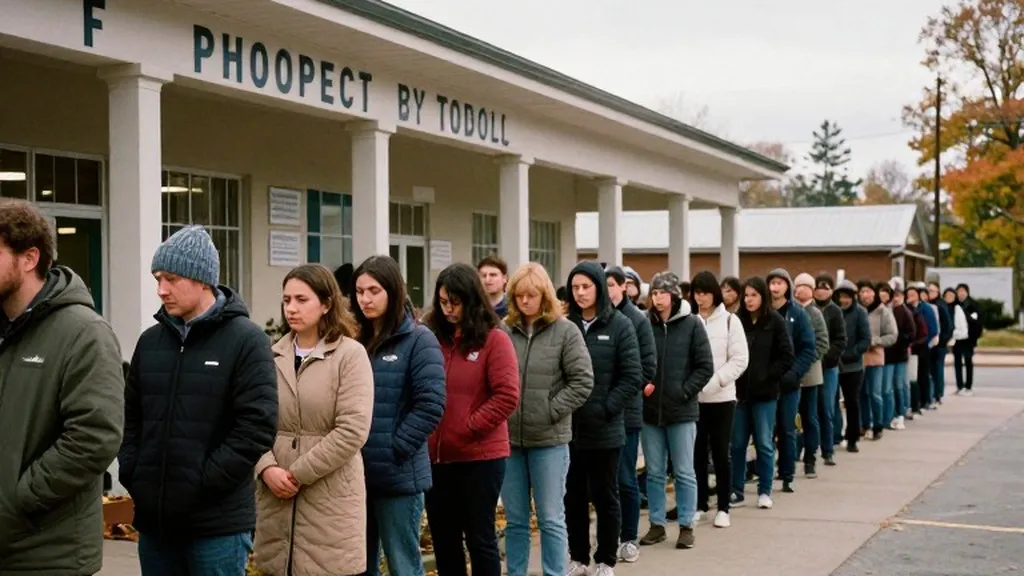
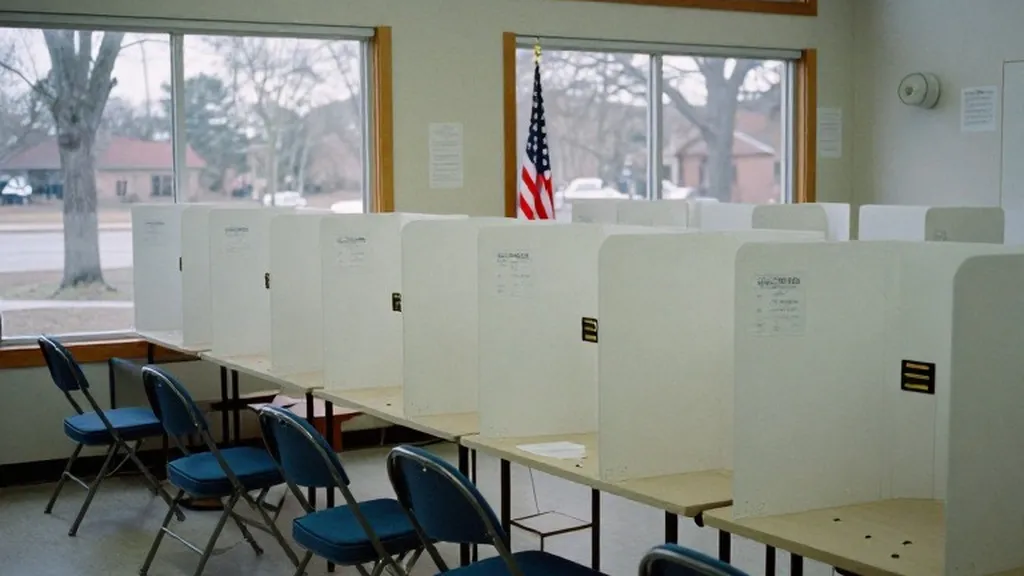
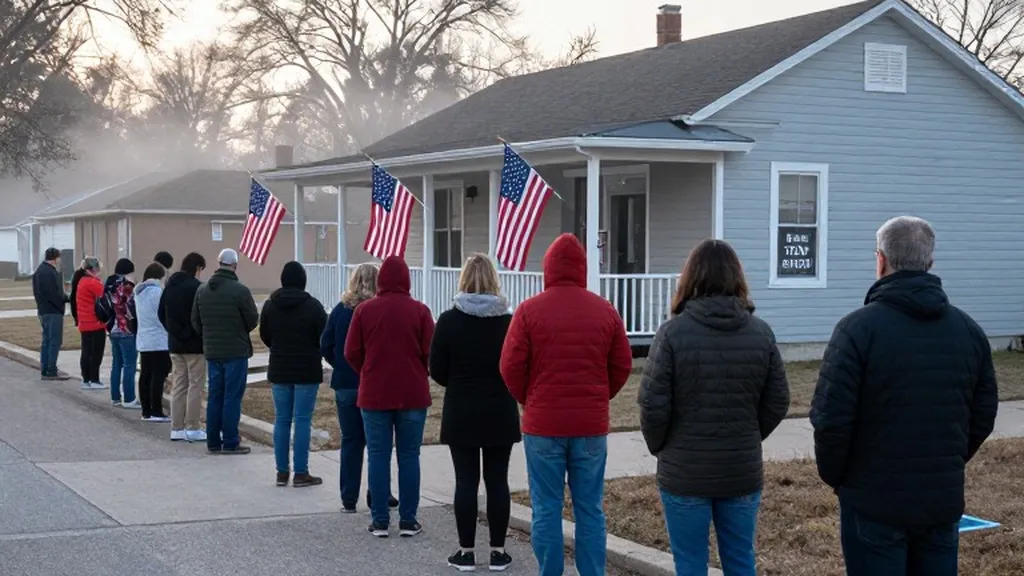
Polls across Lake County opened at 6 a.m. Today, with voters in Waukegan, Buffalo Grove, and Wheeling heading to polling places to cast ballots for a wide range of offices. The day marks the midpoint of President Donald Trump's second term, a critical juncture where the American public decides who will control Congress for the final two years of his administration. Every U.S. House seat in Illinois is on the ballot, alongside the governor's race and various state and local offices. The state's polls will close at 7 p.m., ensuring that anyone in line at that hour is entitled to vote.
In the state of Illinois, voters are also choosing between parties for the U.S. Senate in an open seat with no incumbent running. The Democratic and Republican parties are the primary contenders for this federal position. Additionally, Governor JB Pritzker is running for re-election against candidates from the Democratic, Green, Independent, and Republican parties. These local and state races are part of a broader national contest that includes all 435 seats in the U.S. House of Representatives.
The national stakes for the House are precise and mathematically tight. Republicans currently hold 218 seats, while Democrats hold 214, with one independent and some vacancies. For Democrats to achieve a majority, they need a net gain of three districts. Conversely, Republicans can lose no more than two seats to maintain control. Ballotpedia counts 46 battleground districts, with 25 currently held by Democrats and 21 by Republicans. This narrow margin means that performance in a few key areas could determine the balance of power in the lower chamber.
The Associated Press describes the election as a referendum on the president's second term, noting that voters are struggling with high prices and are angry over an unpopular war with Iran. Recent polling indicates that 35% of U.S. Adults approve of Trump's job performance, while only 25% approve of his handling of the economy. About 7 in 10 Americans say the country is heading in the wrong direction, with most blaming the president for rising costs. This sentiment is driving a high turnout, with more than 57 million people having already voted as of Monday, surpassing early vote totals from four years ago in many closely watched states.
In the Senate, 35 of the 100 seats are up for election, including 33 regular races and two special elections. Republicans hold 53 seats, Democrats 45, and two independents caucus with Democrats. Democrats need a net gain of four seats to take control of the Senate, while Republicans can afford to lose only two. The Associated Press notes that one or two seats could tip either chamber, making the outcome highly competitive. Republicans were bracing to lose the House and fighting to hold the Senate, while Democrats described themselves as cautiously optimistic about the prospects.
The mood in the country is charged, with the Associated Press reporting that the election is being viewed as a direct test of the president's leadership. President Trump held dozens of rallies in the final days before the election, ending his schedule on Sunday in Salina, Kansas. He urged voters to pretend he was on the ballot, a strategy aimed at energizing his base. Many Republican candidates kept their distance from the president, reflecting a complex dynamic within the party. The president has continued to make claims about voting fraud, including that noncitizens vote in large numbers, which has added tension to the election administration process.
Money has played a significant role in this election, with the 2026 contest likely to be the most expensive in history. Republican committees outraised and outspent Democratic committees, helped by Trump-affiliated groups and Elon Musk. However, at the candidate level, Democrats outraised their opponents. The Associated Press analysis of AdImpact data shows that 88.1% of Republican general election TV ad spending went to states and districts Trump won in 2024. This spending strategy highlights the focus on defending existing strongholds while competing in key battleground areas.
Election administration has been a point of contention, with a federal judge temporarily barring the Trump administration from carrying out a plan it says would prevent noncitizen voting. Critics argue that this risks disenfranchising eligible voters and infringes on states' authority over elections. The U.S. Postal Service added hours, staff, and special lines to ensure mail ballots are counted on time. Wall Street is also watching the results, with Reuters noting that the outcome could add to investor concerns about AI spending and debt ceiling negotiations.
If Democrats win even one chamber, investigations and possible impeachment proceedings become likely. House Democratic Leader Hakeem Jeffries would be the first Black speaker and has outlined a 100-day agenda focusing on the cost of living and oversight. A strong Democratic night would also boost potential 2028 candidates Gavin Newsom, JB Pritzker, and Pete Buttigieg, and could complicate Vice President JD Vance's path. Republicans tried to beat the midterm pattern, where a president's party almost always loses seats, through redistricting, but new districts in Florida and elsewhere may not vote as drawn.
As polls close across the country, the focus shifts to the counting of ballots and the final tally. The results will determine the direction of the nation for the next two years, with implications for policy, leadership, and the balance of power in government. Voters in Lake County and across Illinois have had their say, contributing to the broader national conversation about the state of the union and the future of the country. The next few hours will reveal which party holds the keys to the House and Senate, shaping the legislative agenda for the remainder of the term.