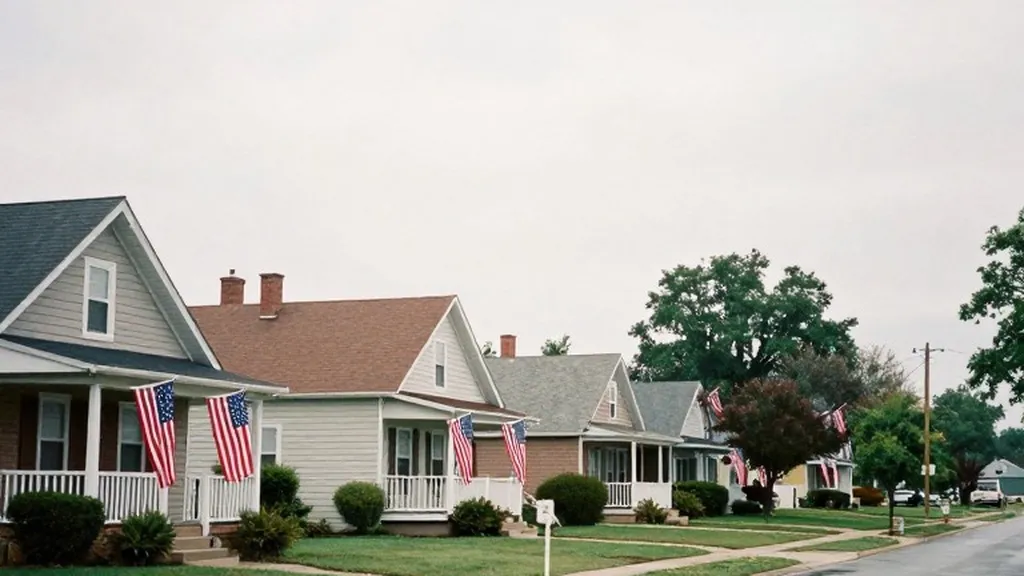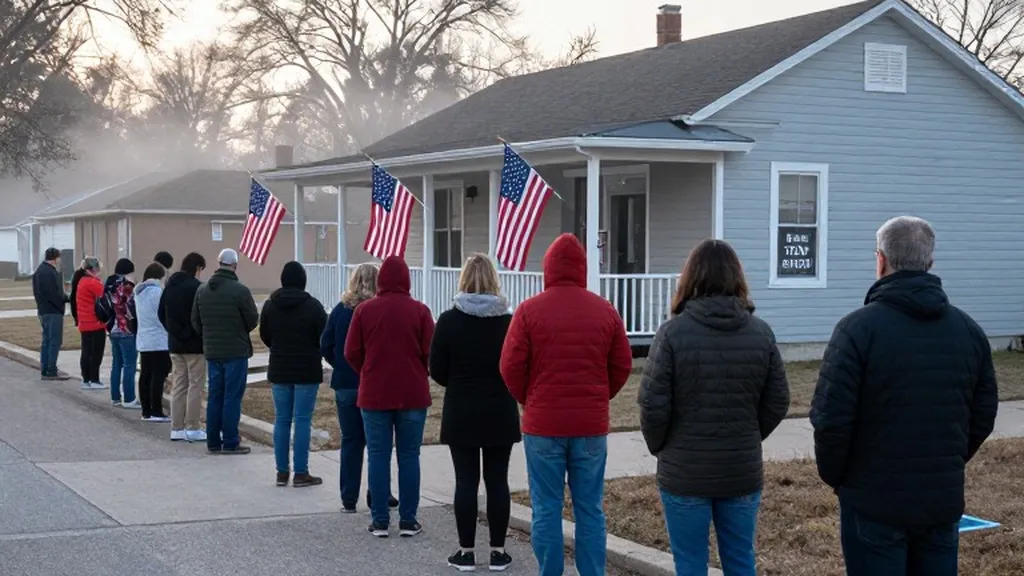
Lake County Voters Tackle State Races Amid National Governor Battlegrounds
As polls close in Waukegan and Wheeling, residents decide Illinois' open Senate seat and Governor Pritzker's bid while ten other states face pivotal governor contests.
By Talia Bennett ·
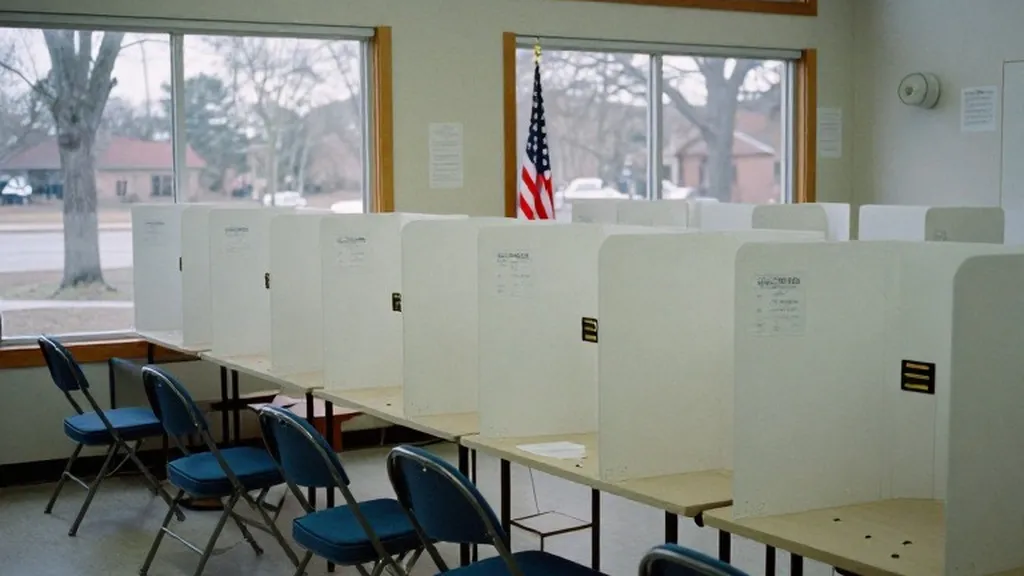
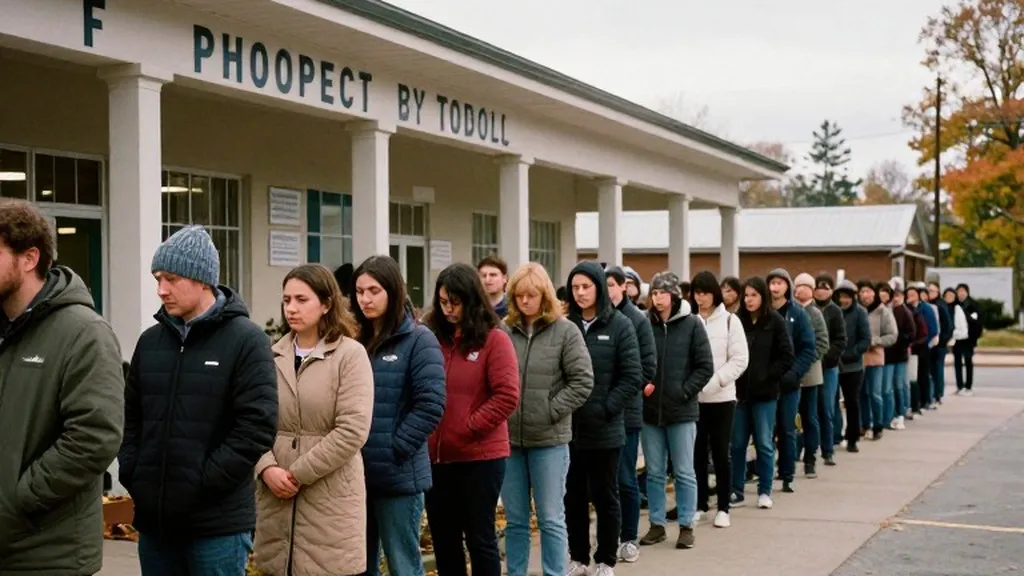
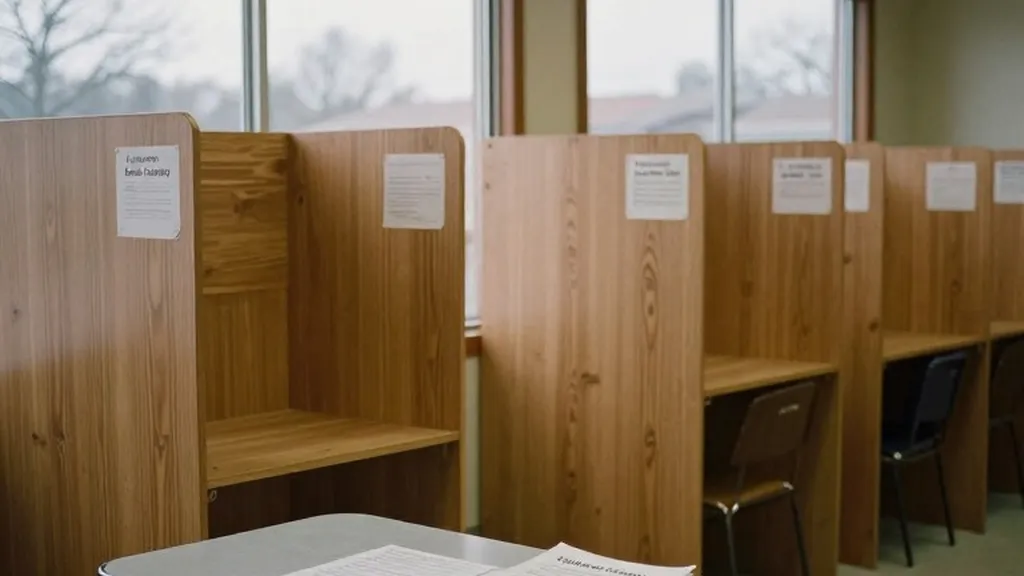
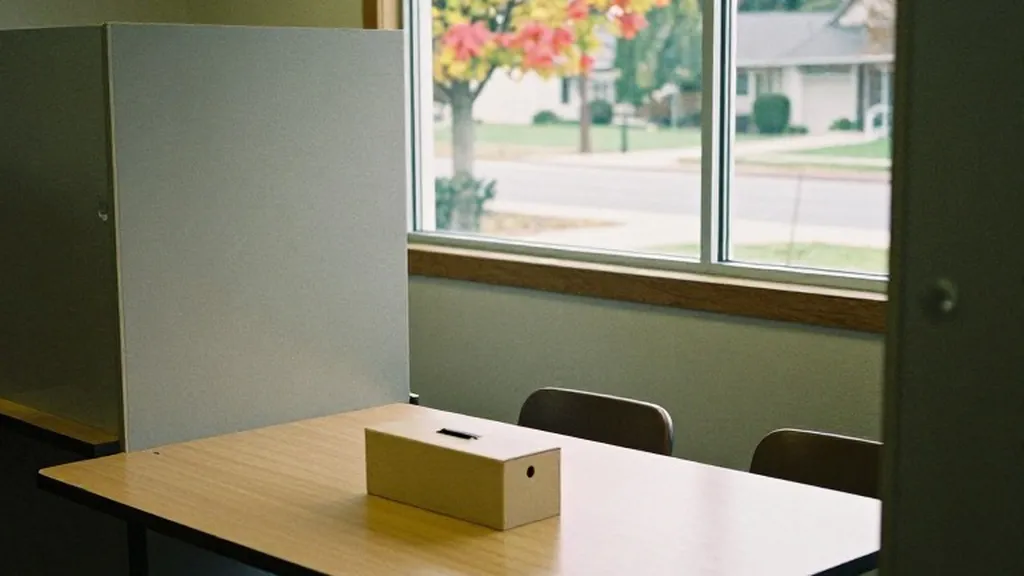
Voters in Lake County, Illinois, cast their ballots Tuesday, November 3, in the 2026 midterm elections, with polls open from 6 a.m. To 7 p.m. Local time. Residents in Waukegan, Buffalo Grove, and Wheeling are selecting candidates for a wide array of offices, including an open U.S. Senate seat and the governor's office, where incumbent Democratic Governor JB Pritzker is seeking re-election. The state's ballot also includes every U.S. House seat, state legislative positions, and local municipal offices. The general election takes place on this date, with the primary held on March 17, 2026.
The Illinois Senate race is a particularly high-stakes contest because the seat is open, with no incumbent running for re-election. Democratic and Republican candidates are competing for this position, which is part of the 35 U.S. Senate seats up for grabs nationwide. Ballotpedia notes that the state is deciding who will hold this seat for the next term, with the winner beginning their six-year tenure on January 3, 2027. The outcome in Illinois will contribute to the broader fight for control of the U.S. Senate, where Democrats currently hold 45 seats and Republicans hold 53, with two independents caucusing with the Democrats.
Beyond the federal races, Lake County residents are also voting in local municipal elections and on various county-specific measures. The election day activities in towns like Buffalo Grove and Wheeling reflect the broader national trend where voters are weighing their choices against the backdrop of a contentious mid-term cycle. The Associated Press describes the election as a referendum on President Donald Trump's second term, with many voters expressing frustration over high prices and an unpopular war with Iran. In Illinois, the decision on Governor Pritzker's future is central, as he runs against Republican and other party opponents in a contest that includes Democratic, Green, Independent, and Republican candidates.
Nationally, the governor races are drawing significant attention in ten specific states: Georgia, Nevada, Ohio, Arizona, Pennsylvania, Wisconsin, Kansas, Michigan, New Hampshire, and Vermont. These races are considered battlegrounds because they could determine which party controls a majority of governorships. Currently, Republicans hold 26 governorships and Democrats hold 24, with Republicans having held a nationwide majority since 2010. Democrats would need a net gain of two governorships to achieve a majority, a feat they have not accomplished in two decades.
In Georgia, Republican health care executive Rick Jackson is challenging Democratic former Atlanta Mayor Keisha Lance Bottoms to succeed outgoing Governor Brian Kemp. The Associated Press highlights this as a key matchup in a state where the presidential race in 2024 was decided by a narrow margin. In Nevada, Republican Governor Joe Lombardo faces Democratic Attorney General Aaron Ford in a race that is being watched closely due to the state's history of competitive elections. The AP notes that these races are part of a broader pattern where both parties are defending their existing holdings in states that voted for the opposing presidential candidate in 2024.
Ohio presents another critical contest, with Republican Vivek Ramaswamy facing Democrat Amy Acton. Ramaswamy's campaign has faced scrutiny over an advertisement featuring Acton's estranged mother, a detail. This race is significant because Ohio is one of the states using a new congressional map following mid-decade redistricting. In Arizona, Democratic Governor Katie Hobbs is defending her seat in a state that President Trump won in 2024. Similarly, in Michigan, Democrats are defending their governorship in a state that also voted for Trump, adding to the pressure on the party to hold ground in previously Republican-leaning areas.
Pennsylvania and Wisconsin add further complexity to the national picture, with Democrats defending their governorships in states that Trump carried in the last presidential election. Josh Shapiro is the incumbent in Pennsylvania, facing a challenge in a state that is often a bellwether for national trends. In Wisconsin, Democratic Governor Tony Evers chose not to run for re-election, leaving the party to defend the office in a new race. The AP identifies these states as part of the group where Democrats are attempting to maintain their presence in regions that have shifted toward the Republican column in recent presidential contests.
Kansas and Michigan also feature prominent governor races that are being monitored for their potential to swing the balance of power. In Kansas, the race is part of a broader struggle for the Senate, as the state has become central to the fight for control of that chamber. In Michigan, the governor race overlaps with a competitive Senate contest, where Republican former Representative Mike Rogers is running against Democrat Abdul El-Sayed. The AP notes that El-Sayed's former primary opponent, Haley Stevens, endorsed Rogers on Sunday, adding a layer of intra-party dynamics to the race.
New Hampshire and Vermont offer a different dynamic, as Republicans are defending their governorships in states that Kamala Harris won in 2024. In New Hampshire, Republican Governor Kelly Ayotte is running for re-election, while in Vermont, Republican Governor Phil Scott faces the challenge of holding his seat in a state that has traditionally leaned Democratic in presidential races. The Associated Press describes these races as competitive, with voters in these states weighing their local leaders against the national mood. The outcome in these states will help determine if Republicans can maintain their hold on a majority of governorships.
Voters across the country, including those in Lake County, are casting their ballots amid a wave of early voting that has surpassed records from four years ago in many closely watched states. More than 57 million people had already voted by Monday. The election is being watched by Wall Street, with Reuters noting that results could impact investor concerns about AI spending and debt ceiling negotiations. As polls close in Illinois, the focus turns to the final tally in a year that will shape the balance of power in the executive and legislative branches of the U.S. Government.