Midterm spending hits record high with partisan divide
While Lake County voters head to the polls, the 2026 election is shaping up as the most expensive in history, marked by a distinct split in how the two parties are deploying their funds.
By Rafael Delgado ·
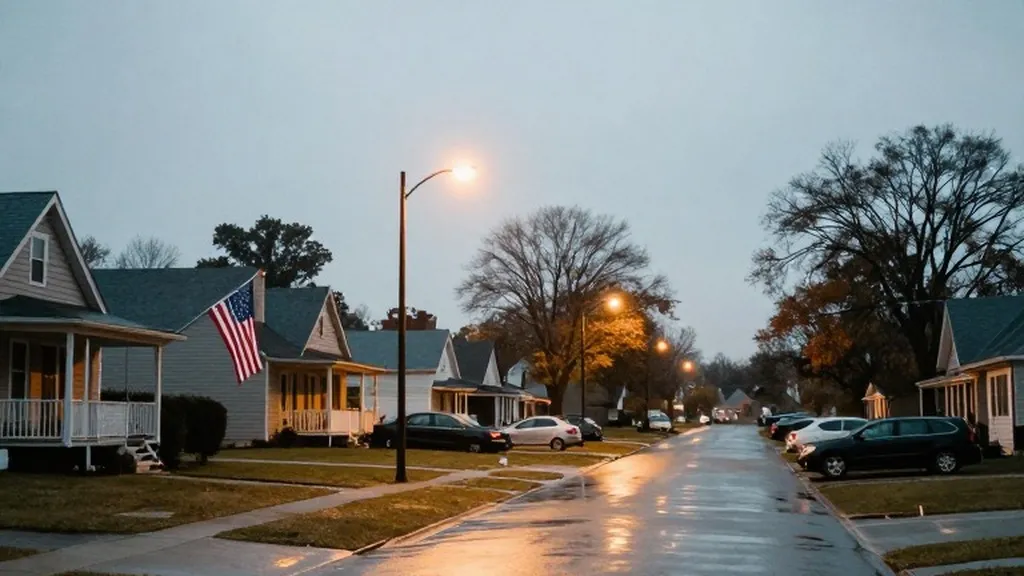
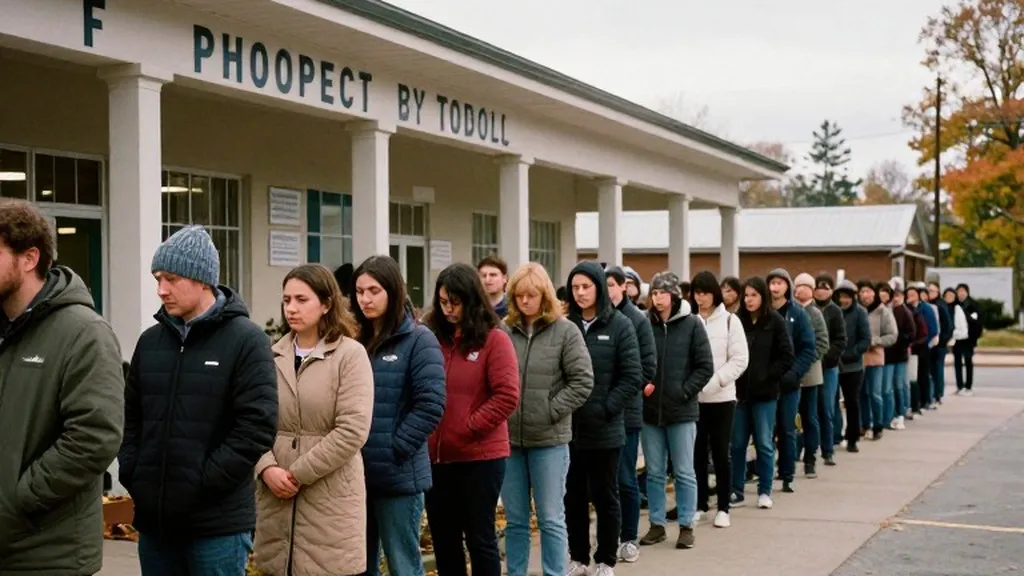
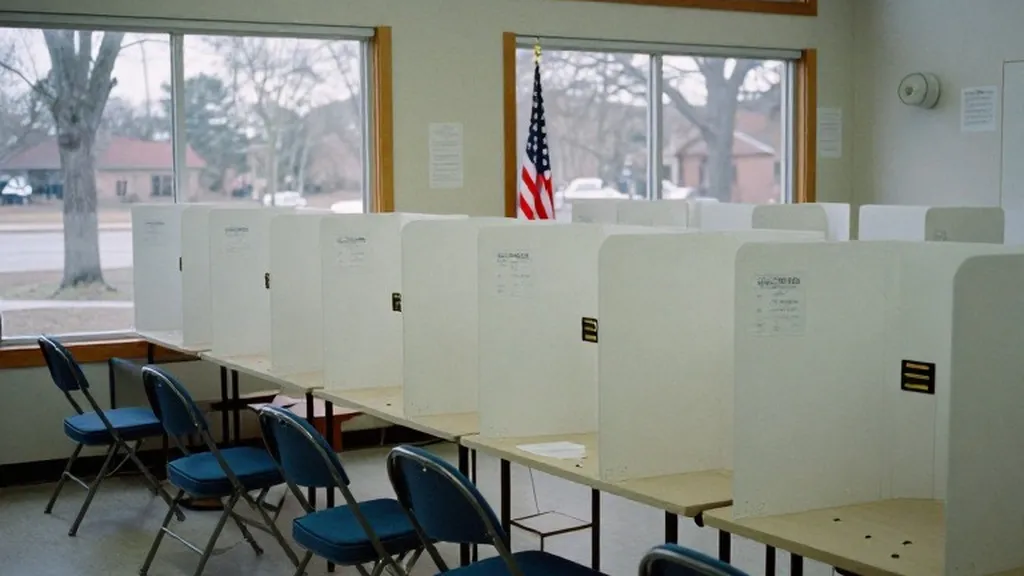
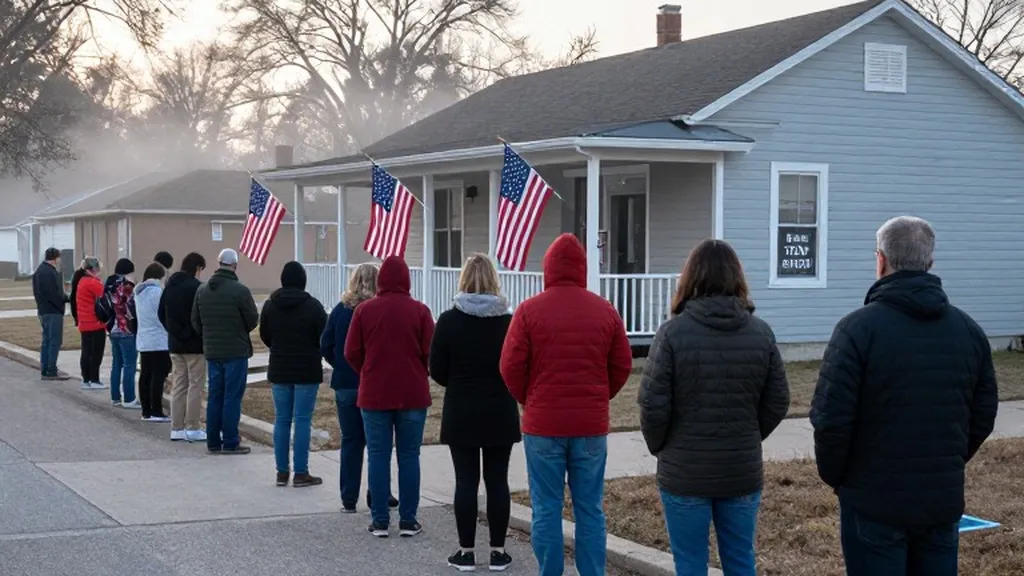
Voters in Lake County, Illinois, are heading to polling places in Waukegan, Buffalo Grove, and Wheeling today to cast their ballots in the 2026 midterm election. In Illinois, polling places are open from 6 a.m. To 7 p.m. Residents will decide who represents the state in the U.S. Senate, where the seat is open, and whether Governor JB Pritzker retains his office. Every U.S. House seat in the state is also on the ballot, along with various state and local offices that vary by county.
As voters line up, the financial scale of this contest is being scrutinized. The 2026 elections are likely to become the most expensive in history. The funding landscape reveals a complex dynamic where committee-level spending does not mirror candidate-level fundraising. Republican committees have outraised and outspent their Democratic counterparts, a disparity aided by groups affiliated with President Donald Trump and Elon Musk.
However, at the individual candidate level, the trend reverses. The Associated Press notes that Democratic candidates have outraised their Republican opponents. This divergence highlights the different strategies employed by the two parties. While Republicans are leveraging large-scale committee funds for broad messaging, Democrats are focusing their resources on specific candidates who are running for office across the country.
The allocation of money is also highly targeted. An analysis of AdImpact data shows that 88.1 percent of Republican general election television ad spending went to states and districts that Trump won in 2024. This includes more than $850 million spent in areas where the president won by ten points or more. This strategy reflects a defensive posture, aiming to protect seats where the party has a strong historical base.
In contrast, the Democratic approach appears to be more focused on competitive districts and states where the margin of victory was tighter in the previous cycle. The high cost of this election cycle underscores the importance of fundraising in modern politics. With all 435 U.S. House seats and 35 Senate seats up for grabs, the financial war has been as intense as the political debate.
Locally, the stakes are part of this larger national picture. Illinois voters are choosing between Democratic and Republican candidates for the open Senate seat. The state is also deciding the fate of Governor Pritzker, who is seeking reelection. The parties on the ballot for the governorship include the Democratic, Green, Independent, and Republican parties. The outcome of these races will influence the balance of power in Congress and state legislatures nationwide.
The election is described as a referendum on Trump's second term, with many voters citing high prices and the war with Iran as key concerns. Polling indicates that 35 percent of U.S. Adults approve of Trump's job performance. This sentiment is driving voter turnout, with more than 57 million people having already voted as of Monday, surpassing early vote totals from four years ago in many closely watched states.
Republicans are bracing for the possibility of losing the House, while Democrats are cautiously optimistic about their chances. The Associated Press notes that one or two seats could tip either chamber. This uncertainty has led to intense campaigning in battleground districts. In Illinois, the competition for the Senate seat is particularly keen, as the state is a critical swing state in the broader national narrative.
The role of money in this election extends beyond television ads. Digital advertising and direct mail campaigns have also contributed to the record-breaking spending. The Associated Press highlights that the influx of funds from Trump-affiliated groups and Elon Musk has given Republican committees a significant edge in total expenditures. This financial advantage has allowed for sustained messaging throughout the campaign season.
Despite the committee-level spending edge, the Democratic candidate-level fundraising success suggests a strong grassroots effort. This duality in funding strategies is a defining feature of the 2026 midterms. As polls close at 7 p.m. In Illinois, the final tally of votes will determine whether the party in power retains control of Congress or faces a shift in the balance of power.
The election also carries implications for future political figures. A strong Democratic performance could boost potential 2028 candidates, while a Republican hold would solidify the party's position for the remainder of Trump's term. The financial data suggests that both parties are investing heavily to ensure their preferred outcome, making this a pivotal moment in the current political landscape.